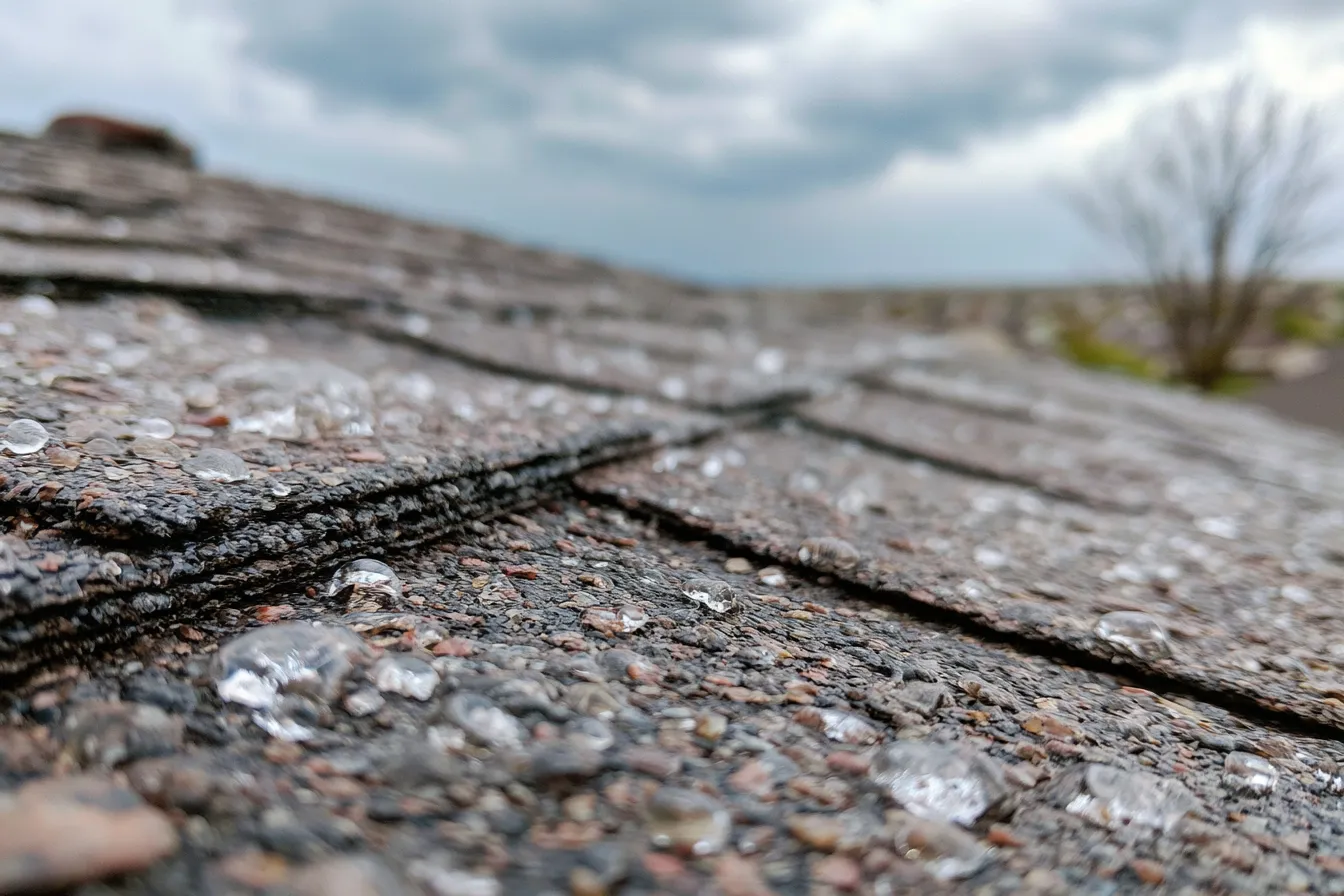
A hailstorm passes over Plano and the questions start the next morning: is the roof actually damaged, who calls the insurer, and how long is there to act. A roof insurance claim runs on a fairly predictable sequence, and knowing the order of it keeps a homeowner from missing a step that matters. Here is how that sequence tends to play out across the Plano area, start to finish.
Start with the date of loss
Every roof claim hangs on one thing first: the date of loss, the day the hail actually fell. Plano gets more of those days than people expect. Across Collin County the last few years logged 24 separate hail days, and the big one, a 3.00 inch stone the size of a baseball, came down in and around Plano on April 20, 2023. Pin the date the storm hit your street, because that date anchors everything the insurer asks for next.
Most Texas policies want to hear from you within about a year of that date, though the exact window is policy-dependent, so read yours or ask your carrier rather than trust a rule of thumb. The practical takeaway is simpler: file promptly. A claim reported while the bruising is fresh and the storm is documented is a far easier claim than one opened months later, once the season has muddied what caused what.
Get the roof looked at before you file
Before a claim number ever exists, it helps to know whether there is real damage to claim. Hail does not always announce itself. A bruised shingle, one where the impact has knocked the granules loose and bared the mat underneath, can look perfectly fine from the driveway and still be failing. That is why the first move is a look at the roof itself, ridge to attic, not a guess from the ground.
A local roofer walking the roof will flag the soft hits, the dented vents and flashing, and the collateral dings on gutters and screens that corroborate a hail date. What you want out of that visit is a folder: dated photographs of each slope and a plain written note of what was found. That record is what turns 'I think we got hit' into something an adjuster can act on. Our storm and hail damage guide walks through what that damage looks like up close.
What the adjuster visit is really for
Once the claim is open, the insurer sends an adjuster to inspect the roof and decide what the policy owes. This is the appointment worth preparing for. An adjuster covers a lot of roofs in a week and works quickly, so having your roofer on the roof at the same time is how the small stuff, a creased ridge cap or a bruised field shingle on a back slope, gets pointed out instead of passed over.
The adjuster's report will talk in two numbers you should know. ACV, actual cash value, is what the roof is worth today after wear and age are subtracted. RCV, replacement cost value, is what it costs to put a new roof up. Which one your policy pays, and how recoverable depreciation comes back to you after the work is done, is spelled out in your policy language. If those letters are new, our roof insurance help page translates them in plain English.
Your deductible, and the Texas law behind it
The deductible is the part of the bill you pay, and in Texas that is not negotiable. Under state law it is a crime for a roofer to pay, waive, rebate, or absorb your insurance deductible. Anyone who offers to 'eat the deductible' or make it disappear is offering to break the law, and a roofer willing to break that one is a roofer worth walking away from.
So plan on paying your deductible. That is normal, it is how the policy is designed, and it is the law. What a straight roofer will do instead is give you one honest written price for the work, show you where the insurance proceeds and your deductible meet, and never dress up the paperwork to hide the difference.
Who files, who documents
Here is the line that keeps a claim clean: you own the claim, a roofer documents it. The homeowner, the named policyholder, is the one who contacts the insurer and opens the claim, because it is your policy and your call. A roofer's job is to get on the roof, photograph every plane, measure the damage, and explain in plain terms what the storm did, so you can have an informed conversation with your carrier.
A roofer who offers to 'file the claim for you' or 'handle the insurance company' is stepping into territory that is yours to hold. Keep control of the claim, lean on a local roofer for the documentation and the plain-English read, and every decision stays where it belongs. Still have questions about where your claim stands? Start with a free inspection and a local roofer can walk the roof and lay out the sequence with you.
Ready to get your Plano roof on the record after a storm? Tell us about the damage and a local roofer will follow up with a free inspection. Call (469) 277-7654