
Emergency Roof Repair in Plano, TX
When a storm opens the roof and water is coming in, the first job is to stop it: a local roofer dries the roof in, protects what is under it, and photographs the damage before the permanent repair is ever scoped.
- Free, documented roof inspection
- The scope and the number, in writing
- Plain-English claim help, on your side
Call (469) 277-7654
Stop the water first, then plan the real repair
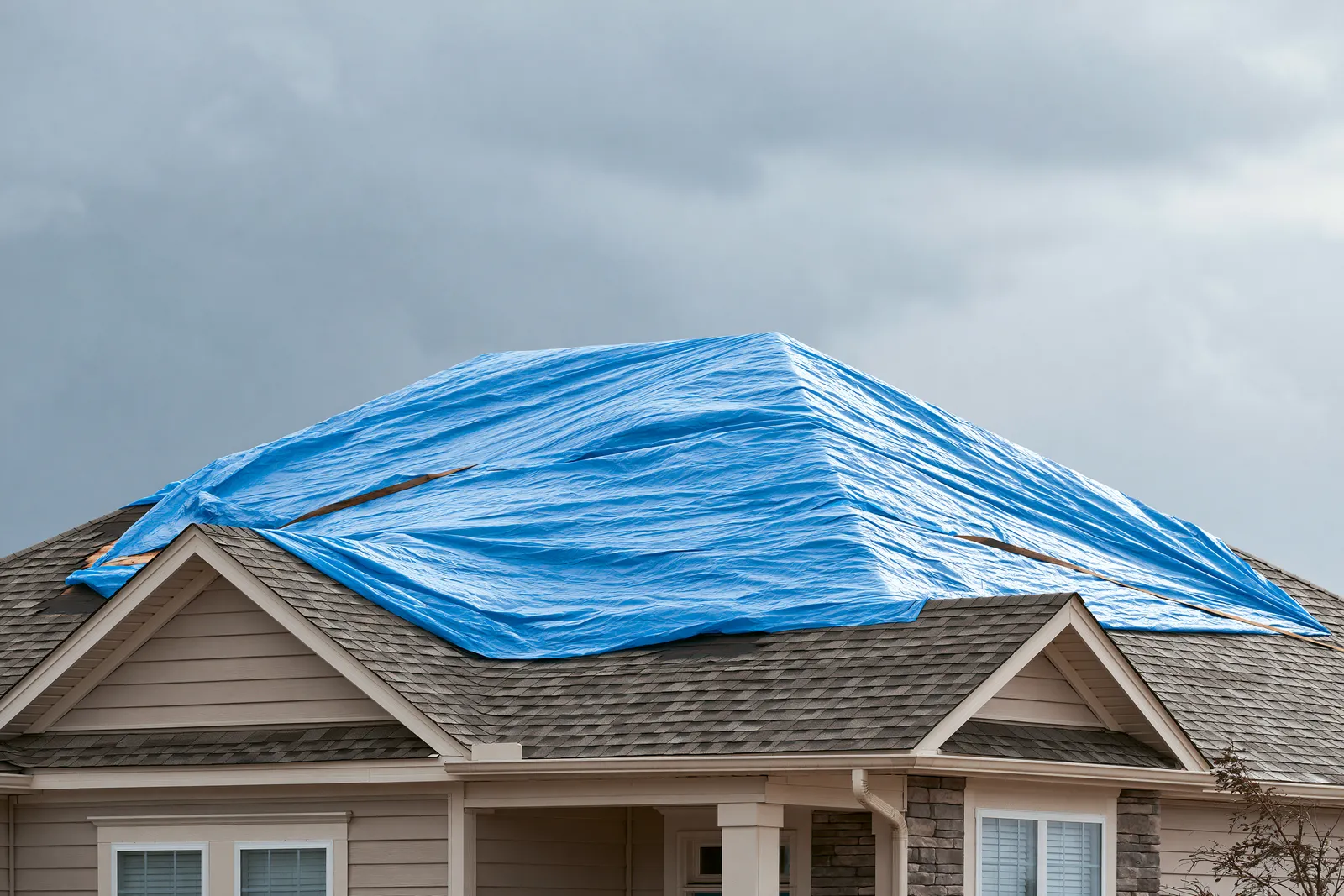
A roof that opened up in a storm is two problems at once: water is getting into the house right now, and the full extent of the damage is not yet clear. The emergency is the first one. Before anything permanent is scoped, a local roofer stops the active water with a tarp or a dry-in over the opening, so the ceilings and the attic stop taking on more.
That tarp is a temporary hold, not the fix, and it gets called what it is. Once the roof is dry and the weather has passed, the damage is documented plane by plane and the permanent repair is put in writing, with the storm dated on the record for a claim. Storm and hail damage is what usually opens a Plano roof up in the first place, and catching it on camera while it is fresh is what keeps a claim clean.
What an emergency call covers
Stop the water, protect the inside, document the damage, then scope the fix.
- 01The tarp or dry-in that stops the water
- The first move is to close the opening so no more water gets in: a tarp fastened down, or a dry-in over bare decking. It is a temporary hold that buys dry days, not the repair itself, and it is always called that.
- 02Keeping the inside from taking more
- Where water is already coming through, you get plain guidance on moving what is under it and catching the drip, so a wet ceiling does not turn into ruined floors and belongings while the roof waits to dry out.
- 03The damage read plane by plane
- Once it is safe to be up top, each slope is walked and photographed and the storm hits logged where they landed, so the full picture is on paper before anyone talks about a number or a repair.
- 04The permanent repair, put in writing
- After the roof is dry and the damage is documented, the actual repair is scoped and written down, so the emergency tarp is only ever a bridge to a fix you have seen and agreed to.
The emergency call is about stopping the water, not the finished job. The scoped roof repair that follows is planned once the roof is dry and the whole picture is on paper.
An emergency handled in order
Secure the roof, document the damage, scope the permanent repair, each step on the record.
Stabilize the roof first
The visit starts with the leak: a local roofer covers the opening with a tarp or a dry-in so the water stops coming in. Nothing about this is the repair yet. It is the hold that keeps the house dry while the rest gets sorted.
Document it while it is fresh
With the roof secured, each slope is photographed and the damage logged where it sits, the storm dated on the file. Fresh photos are what make a claim go smoothly later, so this happens before any number is discussed.
Scope the real repair in writing
Once the roof is dry and the full picture is on paper, the permanent repair is written up with its price, and you approve it before work starts. The tarp comes off when the actual fix goes on, not before.
Signs a Plano roof needs emergency work
When water is getting in now, not just leaving a mark for later.
- An active drip coming through the ceiling during rain, not just a stain that shows up afterward
- A tree limb or storm debris punched through the roof
- Missing shingles leaving the bare decking or underlayment exposed after a Collin County storm
- Water spreading across a ceiling or running down a wall while the weather is still going
- Daylight showing through the roof or attic, or a section of decking sagging under standing water
Any of these means water is getting in now, and it is worth stopping before it spreads through the decking and insulation. Getting the roof covered and the damage on camera early is what keeps a small emergency from becoming a gutted ceiling.
What emergency work runs, and who often pays
The emergency part, getting a tarp or dry-in on the roof, is a small cost next to the permanent repair behind it, and its whole job is to stop the water from running up the bill inside the house. It is priced for what it is: a temporary hold, not the fix.
When the damage traces back to a storm, that work is often covered by your homeowner's policy, tarp included, though it depends on your deductible and coverage. The honest repair figure is set in writing once the roof is dry and documented, not guessed on a wet roof, and the cost guide lays out the larger replacement ranges for the Plano area.
See honest cost ranges- The emergency tarp or dry-in is a small cost whose job is to stop water damaging the inside
- Storm-caused damage is often covered by homeowner's insurance, tarp and all, subject to your policy
- The permanent repair figure is set in writing once the roof is dry and documented, not before
- A rushed number on a wet roof tends to be a repair done twice, so the real scope waits for the full picture
Why roofs open up in a Plano storm
Emergencies on Plano roofs almost always trace back to one bad night of weather. A spring storm that comes through with hail and straight-line wind is the kind that lifts shingles off in runs, drives a limb through the decking, or peels back a flashing, and it usually happens hours before anyone can get up there to look.
None of that is cause for panic, it is the reason a plan matters. A lot of Plano's roofs already carry some age and meet those storm seasons every spring, so knowing the order ahead of time, stop the water first, document the damage, then scope the repair, is what turns a stressful night into an orderly one.
- 01Hail and hard wind do the opening
- The Collin County record shows hail up to 3 inches and winds near 81 mph, enough to strip shingles in runs and expose bare decking, which is where the water comes straight in.
- 02Older roofs feel it first
- With much of Plano's housing built decades back, worn shingles let go sooner when a storm hits.
- 03Readiness beats panic
- Knowing the order ahead of a storm, stop the water, document the damage, then scope the repair, is what keeps an emergency organized instead of frantic.
The weather is not going to change, but how a roof emergency gets handled can. Stopping the water and getting the damage on camera early is the difference between a claim that goes smoothly and one that drags.
Emergency roof repair questions
What Plano homeowners ask when a storm opens the roof.
Q1The roof is leaking right now, what should I do first?
Q2Is a tarp the actual repair?
Q3Does insurance cover emergency roof work after a storm?
Q4How fast will someone come out?
Q5The leak keeps coming back after the last storm, is that an emergency?
Q6Do you fix the roof the same day you tarp it?
Get your Plano roof stabilized and documented
Get word to Plano Premier Roofing fast and a local roofer gets the opening covered so the water stops, documents the storm damage plane by plane with dated photos, and lays out the permanent repair in writing once the roof is dry, no rushed number on a wet roof and no pressure to sign.