
Storm & Hail Damage in Plano, TX
Baseball-sized hail has landed across the Plano area, and most of what it does to a roof sits up on the slopes, out of sight from the driveway. A local roofer climbs up, dates a photo of every plane, and reads the hits against Collin County's real storm record, so a clear file exists before the question of a claim ever comes up.
- Free, documented roof inspection
- The scope and the number, in writing
- Plain-English claim help, on your side
Call (469) 277-7654
What hail and wind do to a Plano roof
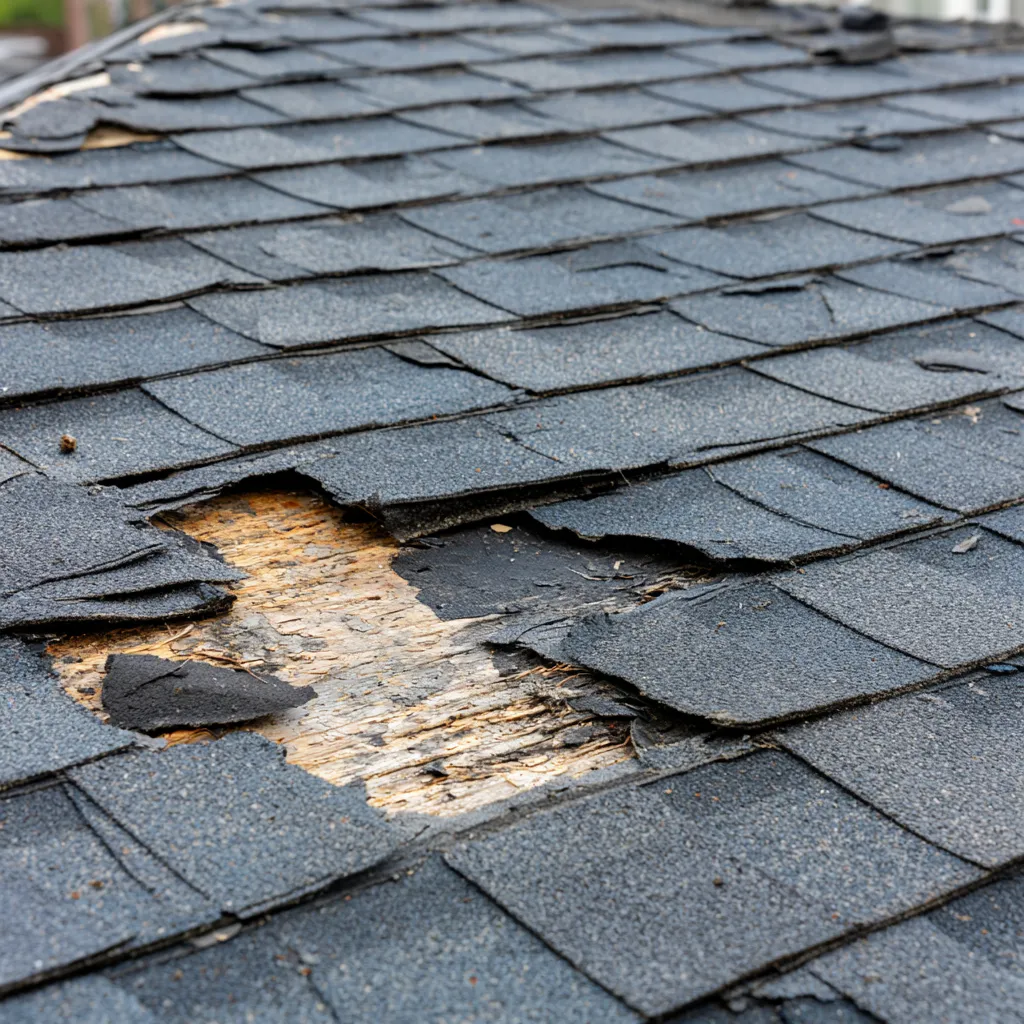
Hail does its damage on a schedule, not all at once. A stone bruises the shingle mat and knocks the granules loose, the bare spot weathers over the next season or two, and the leak shows up long after the storm that caused it. That lag is why a roof can look perfectly fine from the yard and still be counted down, and why the day hail lands is rarely the day it leaks.
Wind runs on its own clock, creasing and folding shingles back at the seal line so they lift in the next gust. Because both kinds of damage hide, the first step is a dated look rather than a call to an insurer: a local roofer walks each plane on foot, timestamps the photos, and ties what they find to a logged storm on the Collin County record, since a date of loss that matches a real event is what keeps a claim from being brushed aside. With that file in hand you decide whether filing makes sense. How a roof insurance claim works is walked through on its own page, and the documented inspection is where the file begins.
What a hail claim covers, and what it doesn't
The line between sudden storm damage and ordinary wear is where a claim is won or lost. Here it is drawn plainly, so you know which side your roof is on before anything is filed.
Sudden storm damage
Damage caused by a specific wind or hail event is what a policy is built for.
- Hail bruising and granule loss. Pocked, spongy spots where stones struck the mat and stripped the granules that shield it.
- Wind-creased and torn shingles. Tabs folded back, unsealed, or gone after an 81 mph gust day like the Plano area has logged.
- Struck flashing, vents, and boots. Dented metal and split pipe boots that start letting water past the seams.
- Interior stains from the leak. Ceiling marks and soaked insulation usually attach to the same claim.
Wear, age, and maintenance
An insurer pays for sudden events, not for time. This is where claims get denied.
- Shingles worn out by age. Much of Plano's stock dates to the 1980s, and a roof that failed on its own clock is a replacement, not a storm loss.
- Leaks left to sit for years. Damage that built up slowly over seasons, not in one datable storm.
- A prior installer's mistakes. Workmanship problems belong to whoever made them, not to your insurer.
- Cosmetic-only dents. Some policies exclude surface dents on metal that never actually leak.
What NOAA has logged across Collin County
Collin County sits in the heart of North Texas hail country: the record holds 24 separate hail days in the current window, gusts to 81 mph, and a 3.00-inch, baseball-sized stone that fell across the Plano area on April 20, 2023. A date of loss that matches a logged storm like that is far harder for anyone to dismiss. The rows below are pulled straight from the NOAA / NCEI Storm Events record for the county, not from us.
Source: NOAA / NCEI Storm Events Database, Collin County 2023–2026, on the record. Updated July 2026. A big storm can leave damage you would never catch from the ground, so a free follow-up look is worth it.
What a documented storm file holds
Every file a documented inspection builds carries the same four parts, in the same order, so nothing about the damage rests on memory or opinion. The items below show the kind of file that comes out of a finished inspection; your file is built from your own roof.

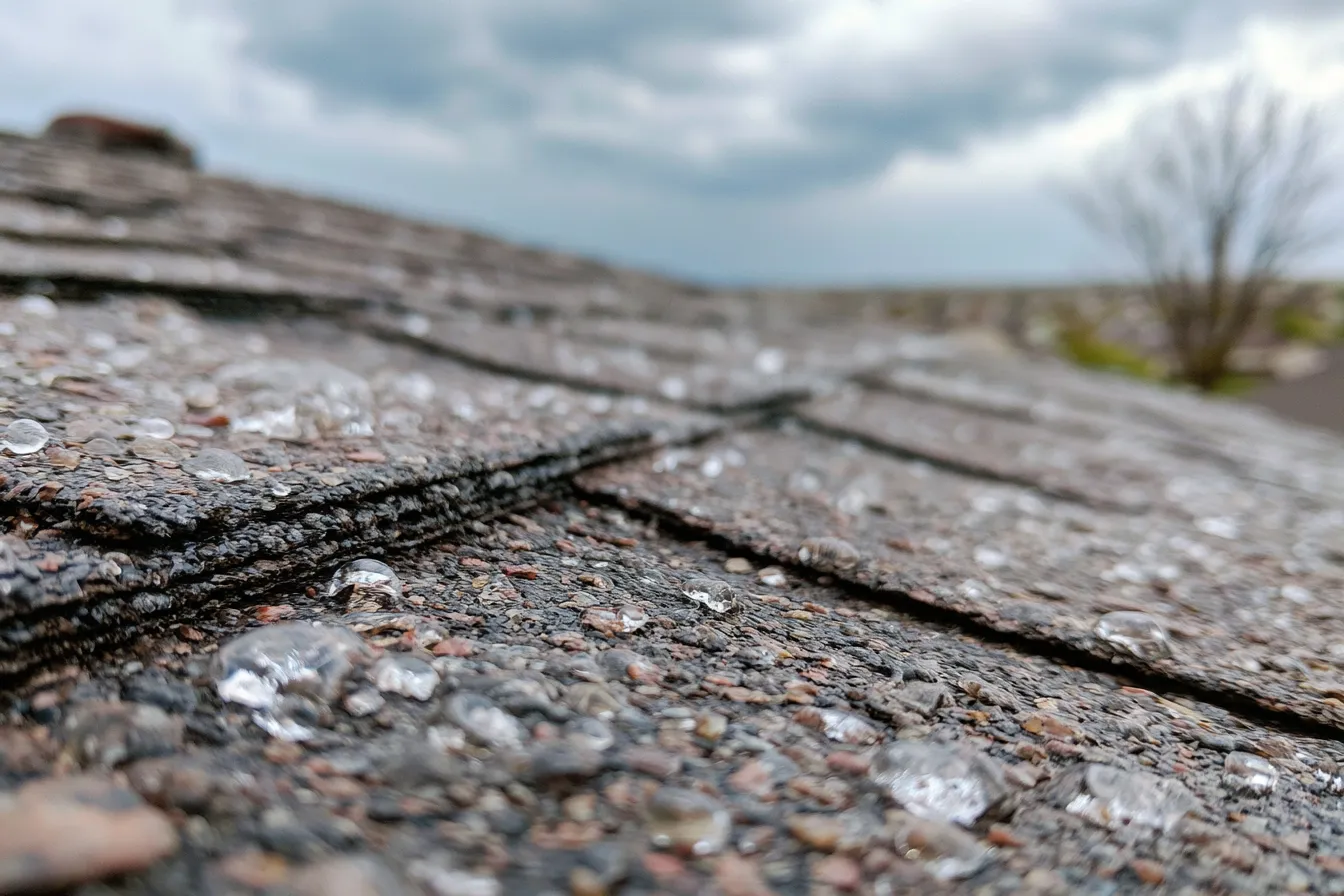
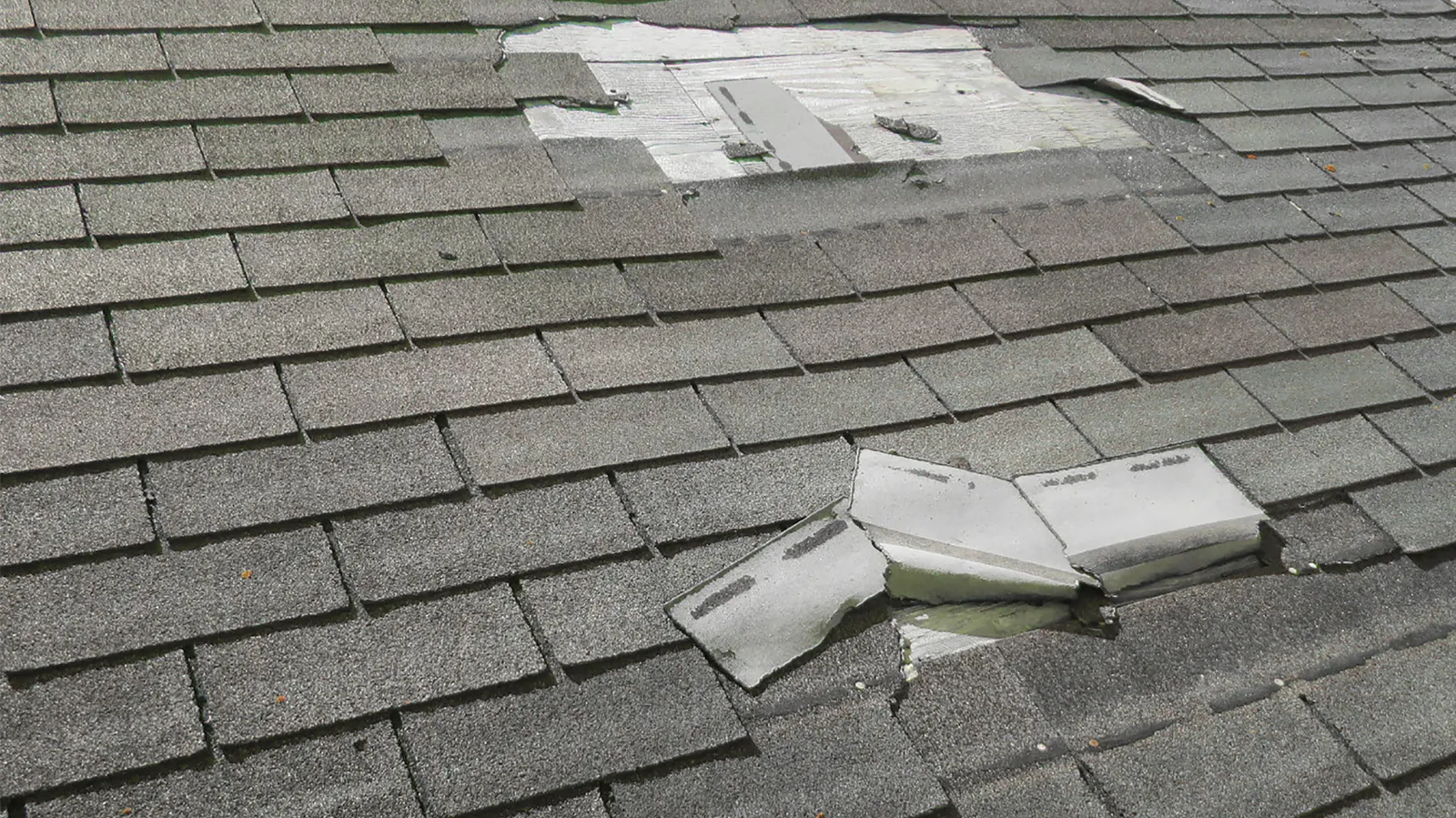
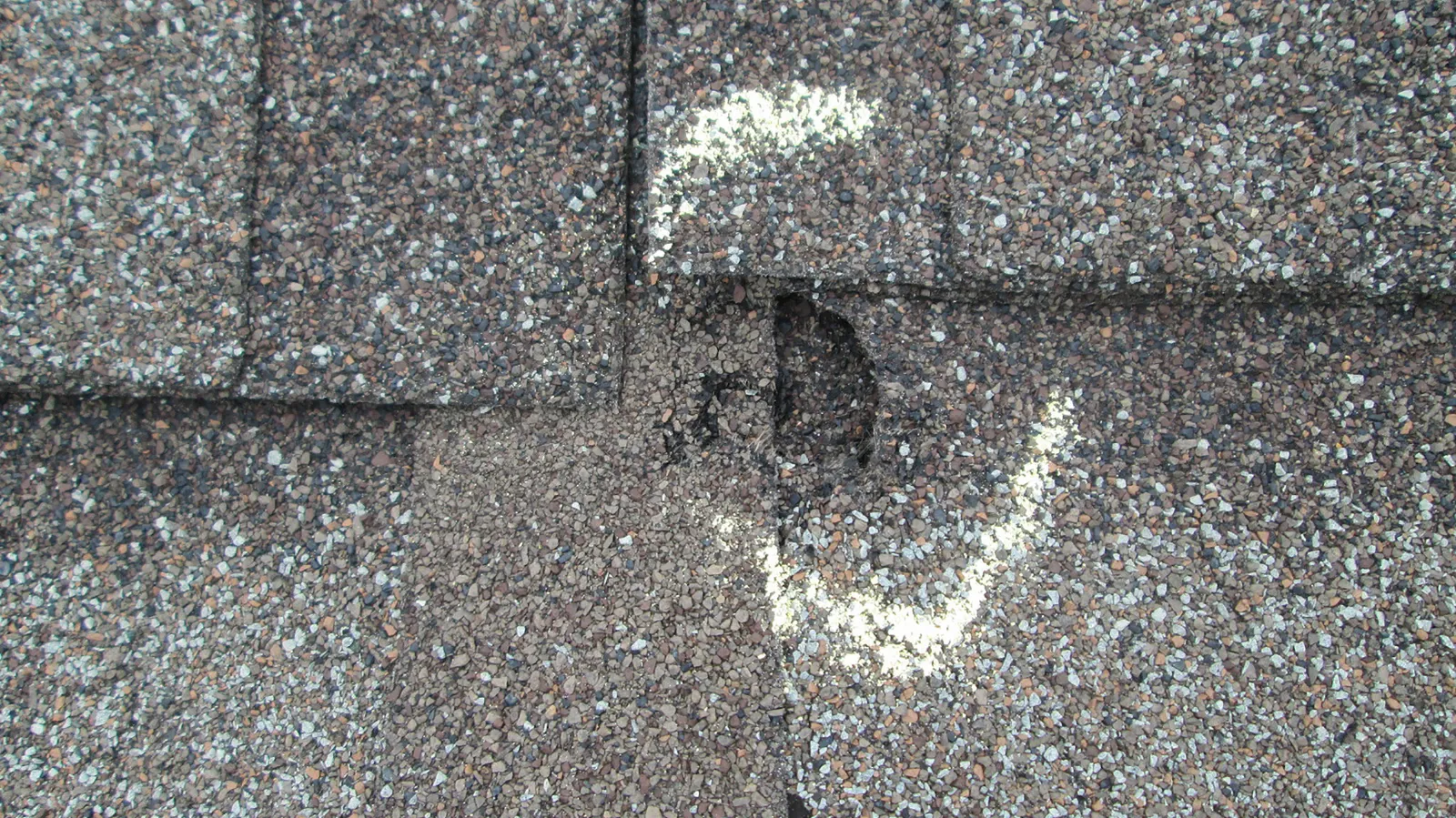
The documents shown are illustrative of the kind of file a documented inspection builds. Your file is built from your own roof, at your inspection, on your timeline.
Signs of storm damage on a Plano roof
What to run your own eyes over once a hail day has passed, even when the roof looks untouched from the ground.
- Granules washed into the gutters, downspouts, and splash blocks after hail
- Dents across the gutter tops, vent caps, and the AC condenser fins
- Shingles that look bruised, pocked, or shiny where the granules were knocked off
- Tabs creased, curled, or folded back after a high-wind day
- A ceiling or wall stain that surfaces weeks after a big storm
Most of this never reads from the ground, so a documented look is worth it after a big hail day even when nothing seems wrong, and a small find caught early is often a targeted repair instead of a full tear-off.
Plano storm and hail damage questions
The questions that come up most once the storm has moved through.
Q1Will insurance pay to repair hail damage in Plano?
Q2How do I know if hail actually hurt my roof?
Q3What is a date of loss, and why does it matter?
Q4How long do I have to file a hail claim in Texas?
Q5Will a roofer file the insurance claim for me?
Q6Can a roofer waive my deductible if I file?
Put your Plano storm damage on the record
Flag it to Plano Premier Roofing and a local roofer documents the hail and wind damage, dates it to the real Collin County storm record, and helps you weigh whether a claim makes sense before anything is filed. No pressure, in either direction.