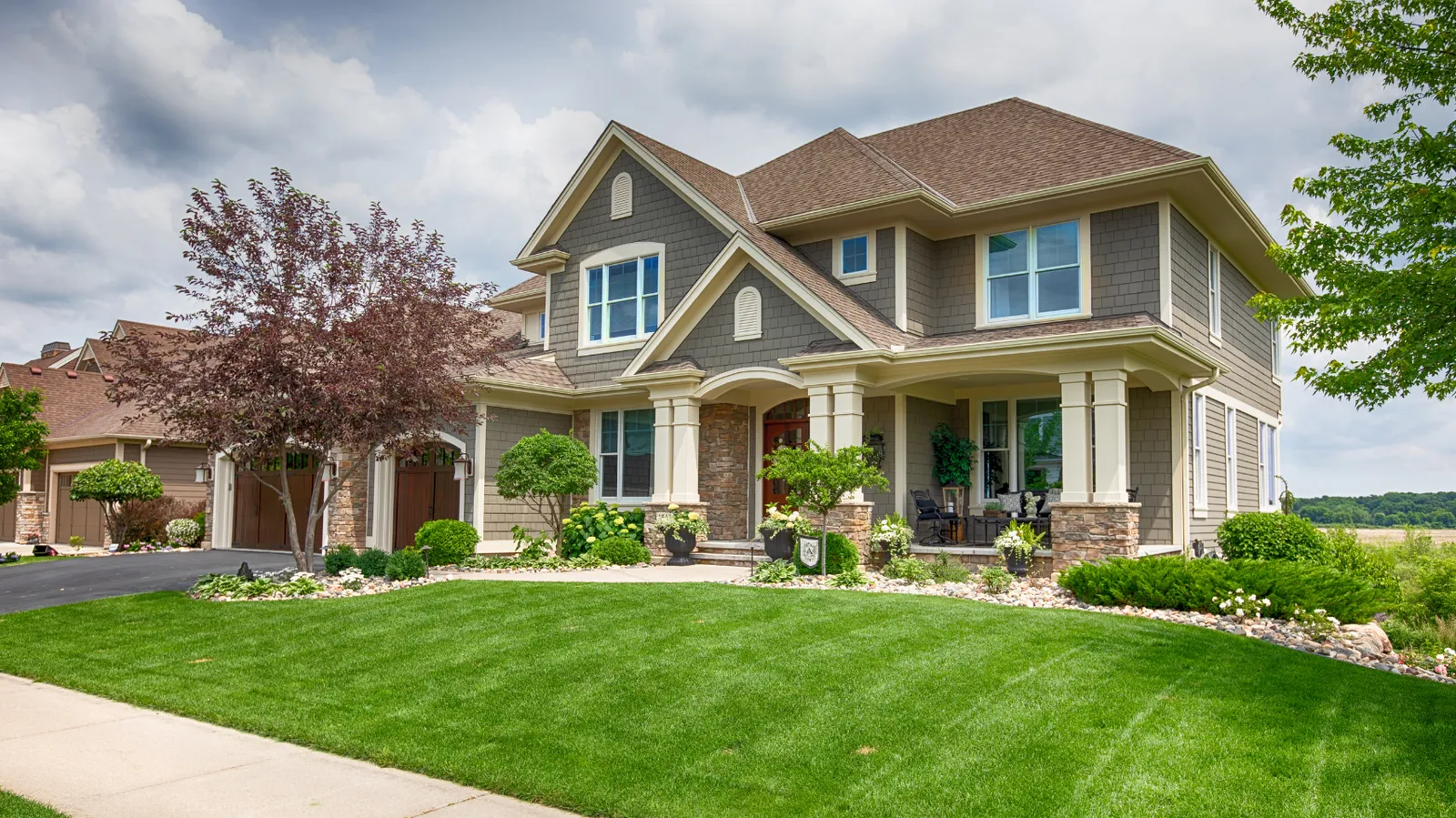
Metal Roofing in Plano, TX
A metal roof is a decades-long decision you make once: a local roofer measures the roofline, settles the profile and steel gauge that fit it, and puts a single number in your hands before any panel is ordered.
- Free, documented roof inspection
- The scope and the number, in writing
- Plain-English claim help, on your side
Call (469) 277-7654
Standing-seam and screw-down, and which belongs on a house
The word metal covers two very different systems, and picking between them is most of the decision. Standing-seam is the premium one: its fasteners hide up under the raised seams, so nothing sits out in the weather to back out and weep, and four to seven decades of service is normal. The screw-down panel, the exposed-fastener kind you see on barns and shops, costs less at the outset, but its rubber washers want re-sealing every so many years.
Where the two agree is impact. A hailstone dents steel rather than punching through it, so a Plano hail season that bruises a shingle roof tends to leave a metal one watertight. The trade-offs are the price, roughly two to three times a good shingle roof, and the labor, since far fewer crews seam metal correctly and the panels carry the entire roof.
A local roofer names the profile, the steel gauge, and the coating, weighs metal plainly against shingle, and records the full spec before anything is ordered. Metal sits beside the other options in the roofing materials guide if you want to compare before that visit.
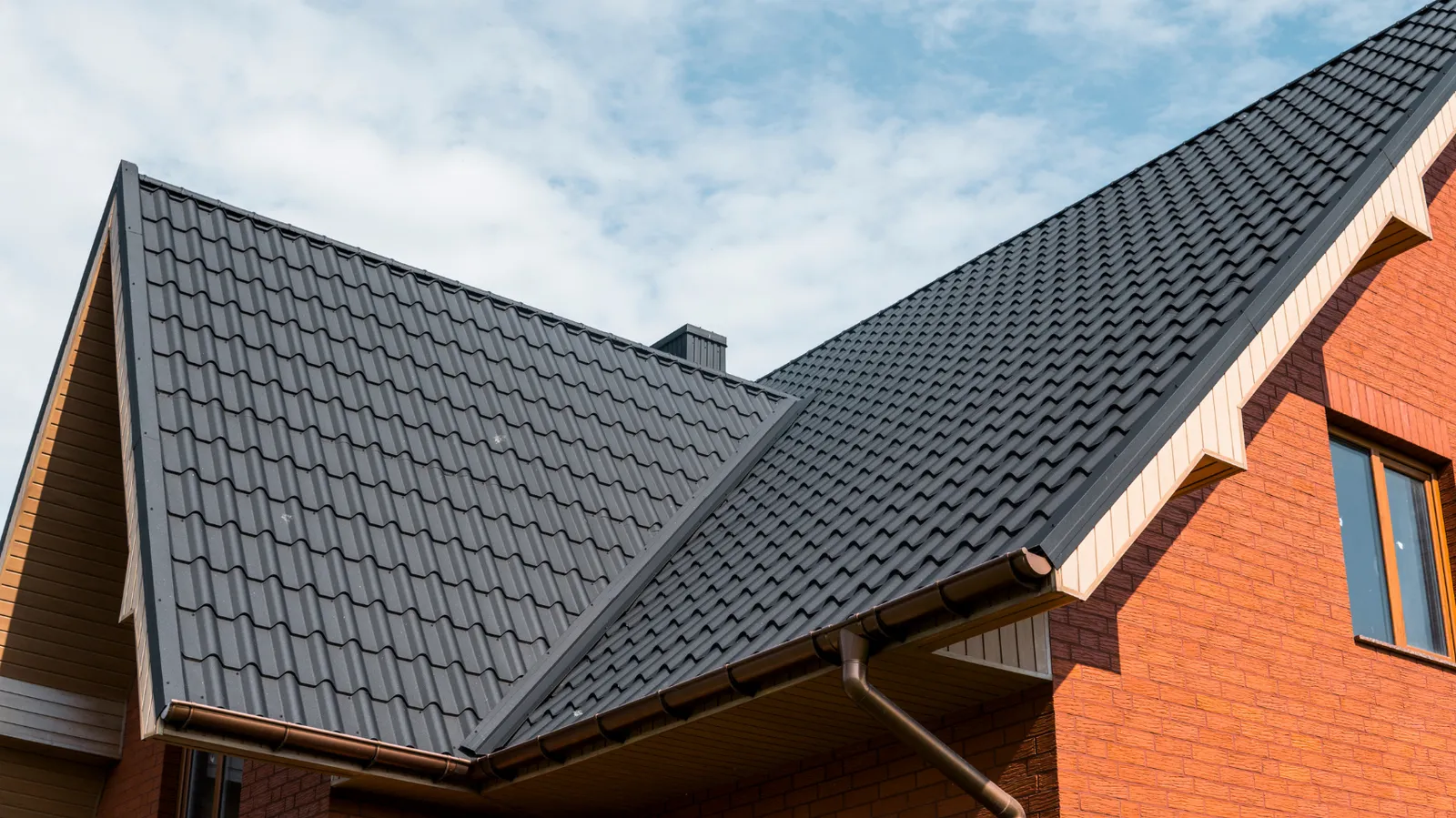
What a metal roof is made of, from deck up
Each layer your roofer specs and writes down, starting at the decking.
- 01The panel: standing-seam or screw-down
- Standing-seam hides its fasteners under the seams for the longest leak-free life sold; the screw-down trades that away for exposed screws you re-gasket down the road. Your roofer says which suits your house and why.
- 02Steel gauge and coating, on paper
- Thicker steel takes a dent and shrugs it off, and a good baked-on coating holds its color for decades, so both belong in writing; a thin panel and a bargain coating are exactly where a cheap metal quote hides its corners.
- 03The deck and the dry-in
- A high-temp underlayment goes down over sound decking, the layer that quiets the rain and backs the seam lines. Any soft or spongy boards are found and swapped before a panel is set.
- 04Flashing at every opening
- Walls, chimneys, and vent pipes each get flashed to the panel profile, the make-or-break detail a rushed metal job is quickest to shortcut.
Caught between metal and a fresh shingle roof? A documented inspection walks the roofline and lays the honest comparison out well before any money rides on the bigger job.
The sequence a metal roof follows
Spec first, deck and dry-in next, then seam and flash, each stage on file.
Spec and measure
It opens with measuring: a roofer takes the roof's dimensions, reads its pitch, and settles on the profile, the steel gauge, and the coating, then hands back one honest number before any material is ordered.
Dry-in and set the panels
Once the decking checks out sound, the crew dries it in beneath high-temp underlayment, then sets the panels up the slope and closes the seams so the fasteners stay hidden and the water stays out.
Flash, cap, and file it
Every opening is flashed tight to the panel, the ridge and trim get capped, and the finished roof is photographed into the file, so the manufacturer's coverage has a documented record behind it.
When metal is the right call for a Plano roof
A few cases where standing-seam is worth its premium here.
- You plan to stay in the house long enough for a four-decade roof to earn its cost back
- You are tired of buying a new shingle roof every twenty-odd years as Plano's hail seasons roll through
- Your home is west-side custom stock, Willow Bend or Normandy Estates, where standing-seam suits the architecture
- You want a roof that answers a hailstorm with a dent at worst and never a leak
- You are on a new build and would rather spec the roof once, at the deck, and never replace it
On a free inspection a roofer will say whether your roof, and how long you mean to stay, point toward metal, or whether an impact-rated Class 4 shingle is the smarter spend.
The premium up front, and the long payback
Sticker first: standing-seam commonly runs $990 to $1,570 per square installed, tear-off included, which on a typical 24-square Plano roof lands somewhere around $24,000 to $38,000. That is roughly two to three times a good shingle roof, because the steel, the panel forming, and the skilled hands each carry a premium. None of it is a quote; your own figure gets firmed up on paper once a roofer has measured.
The case for the number is the long view: one metal roof stands in for a whole run of shingle ones, which drops its real cost per year near the bottom of anything you can put overhead. The cost guide lays out honest Plano-area ranges by material so the comparison is easy to read.
See honest cost ranges- Higher sticker than shingle at install, on the order of two to three times
- Near the lowest yearly cost, since one roof replaces several shingle ones
- Gauge, profile, and coating move the price more than anything else
- Skilled metal labor is not the place to cut; a bargain install wastes the whole spend
How metal holds up in Plano's hail
In a place that trades in hail and hard spring wind the way Plano does, the first question a roof has to answer is how it takes a beating, and that is exactly where metal earns a second look. When a stone hits steel, the worst it usually does is leave a cosmetic dent, not the bruised, granule-stripped mat that quietly ages a shingle roof toward its end.
That difference is why a standing-seam or metal panel roof tends to shrug off the storms that retire shingles early. If your roof is already due for a full replacement, stepping up to metal can mean this is the last roof the house ever needs, a real prospect for an owner settling in for the long haul.
- 01Hail, met with a dent not a hole
- A stone that would bruise a shingle and strip its granules lands on steel as a cosmetic dent, and the panel keeps shedding water. That is why impact-rated metal is a genuine option in a hail market like Plano.
- 02Impact rating and your insurance
- Impact-resistant roofing, metal included, can earn a discount off a Texas homeowners premium; whether it applies is up to your carrier, so a roofer notes the panel's rating and you confirm the credit with your insurer.
- 03Rain noise, mostly a myth
- Set over solid decking with a full underlayment beneath, the panels bring a downpour down to roughly what shingle sounds like from inside, so the drumming people picture never shows up on a real house.
Still weighing metal against a new shingle roof? A roofer will put the two side by side on your own roofline so the choice reads clearly, no pressure either way.
Metal roofing questions
The questions Plano homeowners ask before going metal.
Q1Is a metal roof worth it in Plano?
Q2Does metal dent in Plano hail?
Q3How much more does metal cost than shingle here?
Q4Is a metal roof loud when it rains?
Q5Standing-seam or the screw-down panels for a house?
Q6Does impact-rated metal help with my insurance?
Get an honest metal-or-shingle read, free
Drop Plano Premier Roofing a note and a local roofer studies the roofline, walks you through the profile, the gauge, and how metal stacks up beside shingle, then leaves one written number in your hands. Nothing owed, no pressure to sign.