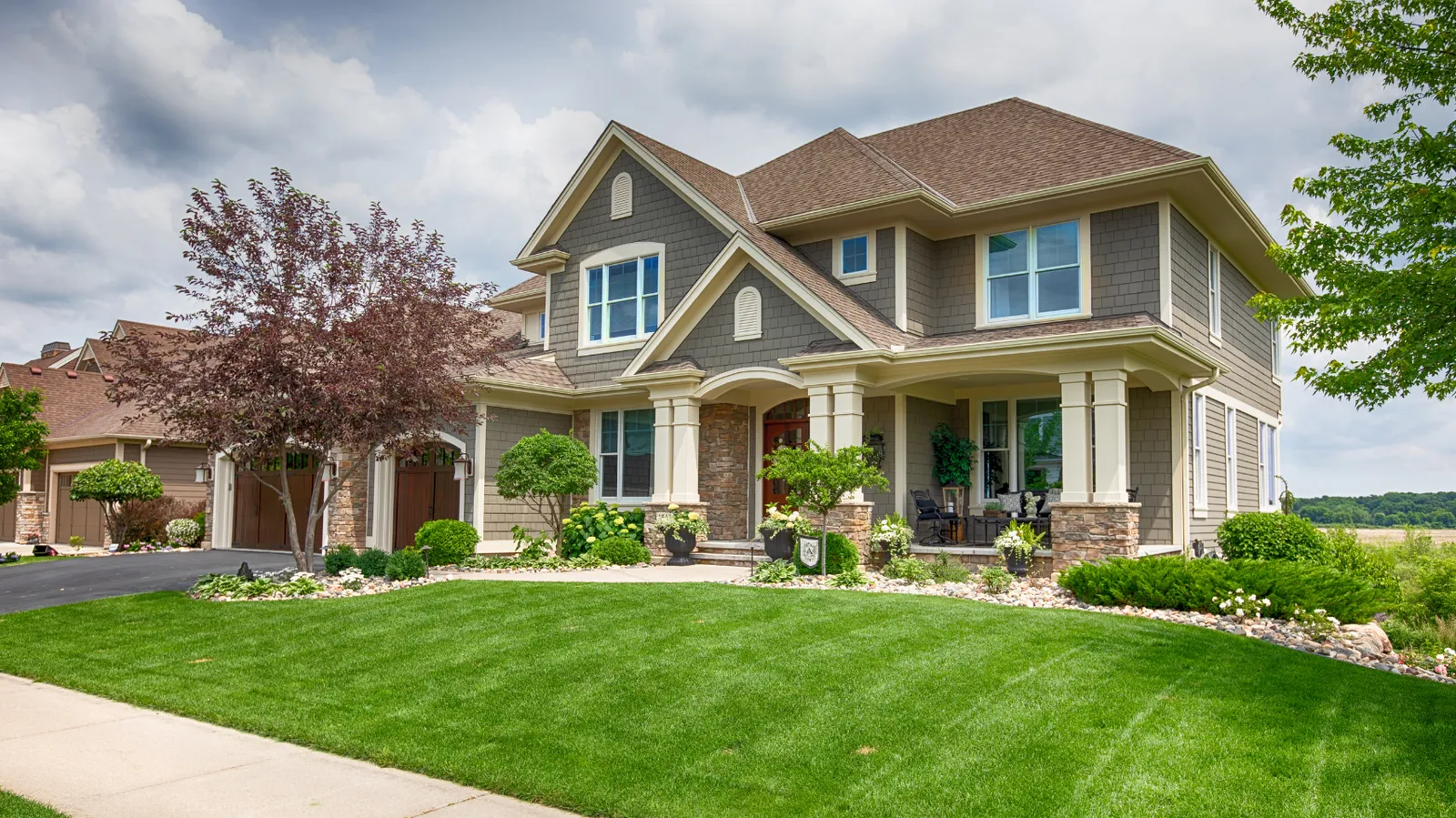
Soffit & Fascia in Plano, TX
The fascia is the board your gutters hang on and the soffit is the vented panel tucked under the eave, and when either one goes soft from trapped water, a local roofer replaces the failed section instead of painting over the rot.
- Free, documented roof inspection
- The scope and the number, in writing
- Plain-English claim help, on your side
Call (469) 277-7654
The eave repair that fixes the rot, not the look of it
Run your eye along the edge of the roof and you are looking at two boards doing quiet work: the fascia, the vertical trim the gutters are screwed into, and the soffit, the panel tucked underneath. When a gutter overflows in a hard DFW rain, water sheets down behind the fascia and sits, and wood that stays wet long enough turns soft, then rots from the back where a coat of paint can never reach. The trouble usually starts wherever the gutters have been spilling over.
A fresh coat hides that soft board for a season, but it does not fix it, and the rot keeps spreading toward the decking while critters find the opening a failed soffit leaves behind. So the honest repair is to cut out the rotted section and replace it, and you get the eave sealed sound again with the intake venting reopened, not just repainted over the damage.
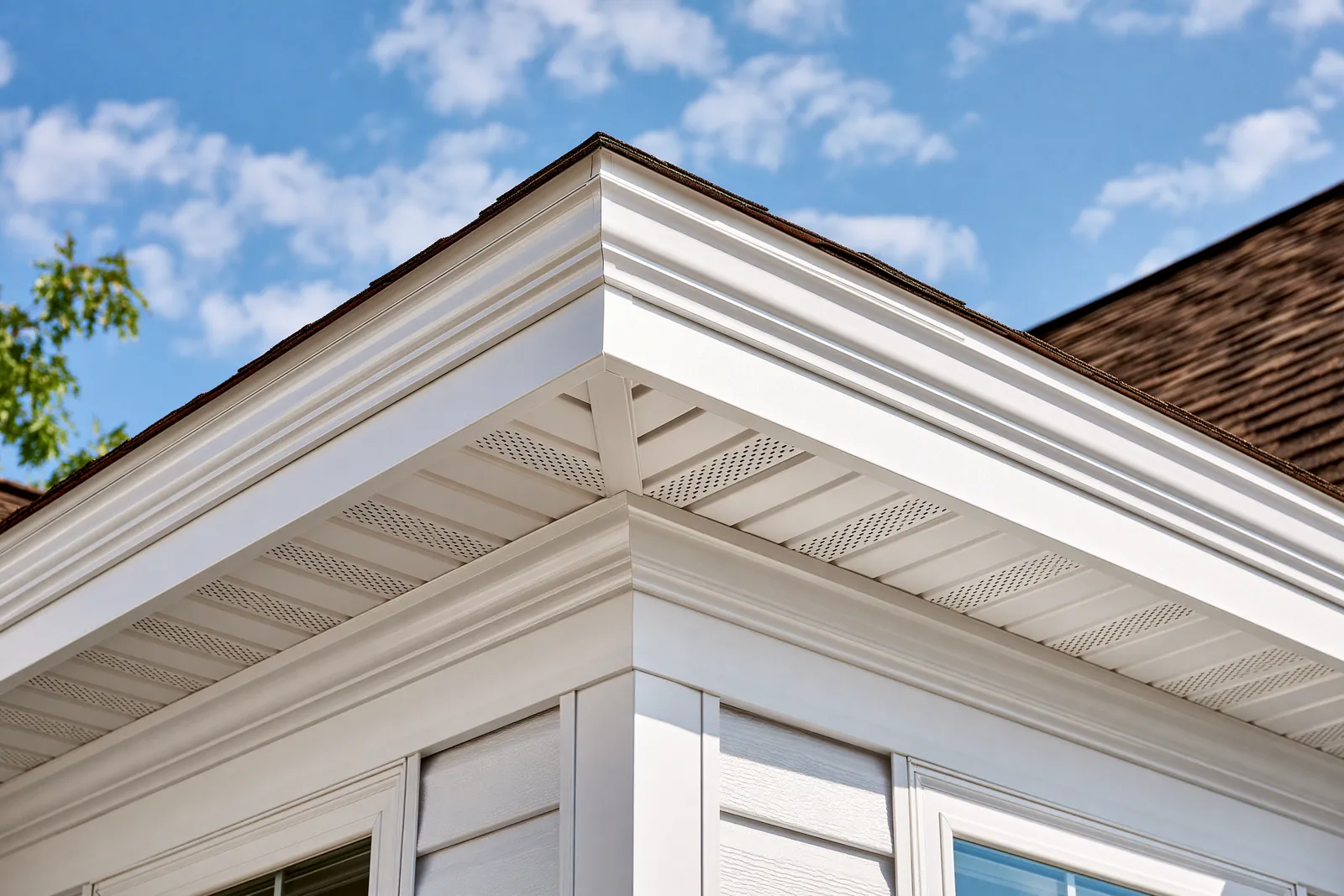
What a soffit and fascia repair covers
The failed trim found, replaced, and closed back up, one section at a time.
- 01Probe for the soft, rotted board
- Paint and a clean line can hide a fascia that has gone spongy underneath, so each board is pressed and probed along the eave until the soft, rotted lengths are located rather than guessed at.
- 02Replace the failed sections
- The rotted fascia or soffit is cut out and replaced in kind, wood to match the original trim or a low-maintenance aluminum or vinyl, so the edge is sound board again, not filler smeared over damage.
- 03Re-open the soffit's intake venting
- The soffit is where cool air enters the attic, so any vents choked by old paint, nests, or a solid replacement panel are re-established, keeping the intake side of the attic working.
- 04Seal the entry and tie back to the gutters
- The gaps a rotted soffit leaves for birds, squirrels, and wasps are closed, and the fascia is set true so the gutters hang straight and drain the way they are meant to.
Not sure how far the rot has traveled? A documented inspection puts the soft board on camera before any section is opened or a number is quoted.
An eave repair from first probe to last check
Find the rot, agree the run of board in writing, replace it, confirm it is sound and vented, each step on the record.
Find where the rot starts
The visit starts at the eave: a local roofer probes the fascia and soffit for soft board, traces it back to the gutter or the trapped moisture feeding it, and photographs what is actually rotted so the scope is measured, not estimated from the ground.
See the number before work starts
The lengths that need replacing, the material, and what that costs are written down and agreed with you first, so the run of board and the price are both settled before anything is pried off the eave.
Confirm it is sound and vented, on the record
The new fascia and soffit are checked for a straight line and open intake, the gutters are confirmed to drain, and the finished edge with its photos goes in a file that stays yours.
Signs a Plano roof edge needs work
Catch these while it is still a few boards, not the whole eave.
- Paint peeling or bubbling along the fascia, often the first hint the wood behind it is staying wet
- A soffit panel that sags, darkens, or shows a soft, crumbling edge under the eave
- Gutters pulling away from the roofline or holding standing water, a strain on the fascia they hang from
- Birds, squirrels, or wasps getting in where a soffit has opened up
- A stuffy, overheated attic, a hint the soffit's intake venting is blocked or painted shut
Any of these along the edge is worth catching before the rot reaches the decking behind it. Once water has worked past the trim into the roof itself, roof repair covers tracing and closing that damage further up.
What tends to fail on a Plano eave
A lot of Plano's older homes still wear their original wood fascia and soffit. Trim that has weathered thirty-plus DFW seasons is exactly where rot shows up first, especially anywhere a gutter has been overflowing quietly for years.
Hard spring rains are the driver: water that should run through the gutter instead spills behind the fascia and pools on the soffit, and wood that stays damp long enough gives out from the back. A local roofer reads whether the rot is held to a few lengths of board or has run the whole eave, so the repair matches what is actually failing.
- 01Original 1980s wood trim
- On a Plano home near its median 1985 build, the fascia and soffit are often the last of the original wood still up there, and decades of sun and rain are what turn it soft.
- 02Gutter overflow feeds the rot
- A gutter that spills in a hard DFW rain sends water straight down the fascia it hangs from, so the trim behind an overflowing gutter is usually where the rot takes hold.
- 03Blocked intake follows the damage
- As a soffit rots or gets painted over, its intake vents choke off, so a hot, damp attic often shows up alongside the failing board and gets sorted in the same repair.
Not sure whether it is a few boards or the whole eave? The straight answer comes from getting a hand and a camera on the trim first, before any length is quoted.
Soffit and fascia questions
What Plano homeowners ask before repairing the roof edge.
Q1Can't I just paint over the rotted fascia?
Q2What does the soffit have to do with my attic?
Q3Should the new fascia and soffit be wood or aluminum?
Q4Why does the fascia keep rotting in the same spot?
Q5Will replacing the soffit keep animals out?
Q6Do you need to get inside my house to repair the eave?
Get your Plano soffit and fascia repair in writing
Set a free edge check through Plano Premier Roofing and a local roofer probes the roof edge, shows you which lengths of fascia and soffit have gone soft, and puts the run of board, the material, and one honest number in writing before anything is pried off. The rot gets replaced and the intake venting reopened, not painted over.